Why traditional Building Management Systems (BMS) don’t work and what to do instead…
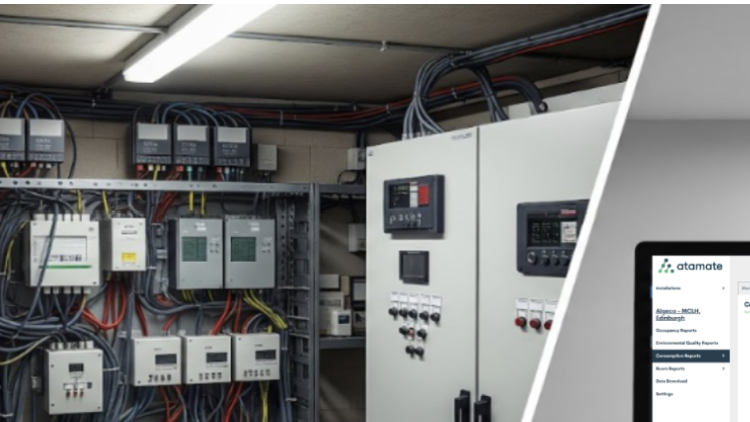
Traditional Building Management Systems (BMS) are often ineffective and expensive.
While a standard BMS can control heating, ventilation, and air conditioning (HVAC), it is typically only installed in plant rooms, making it impossible to understand what is happening on a granular level, room by room, in a building. This leads to carbon inefficiency, and energy leakage, both of which are terrible for the environment.
At Atamate, we offer something fundamentally better: a Building Operating System that we call atBOS.
atBOS provides monitoring and local control in all rooms. As most rooms are empty most of the time this can save significant energy.
There is no need to replace the existing BMS as it work in harmony with atBOS reducing your bills.
The data collected is critical in understanding how your building performs. The key challenge building owners face is how to replace the gas or oil boilers. Data is key to this and provides insights into whether fabric needs improvement, which mechanical systems to fit and how to correctly size them based on the actual use of the spaces.
One of the key advantages of Atamate's atBOS is its simplicity and affordability.
For starters, our technology is 100% retrofittable - meaning it’s easy to install in existing buildings with no wiring involved due to its wireless control sensors.
In addition, The atBOS system can be installed by any electrician, meaning no specialist installers are required, which significantly reduces capital costs.
This "simple to fit, simple to live with, simple to maintain" philosophy is a core value at Atamate.
Many BMS are not secure enough to connect to the internet. atBOS is enabling both data collection 24/7 and remote access to buildings to change set points without having to drive around your estate.
For new builds, our atBOS system is significantly cheaper than a traditional BMS – often 85% to 90% less expensive than current BMS companies, while collecting more data and being better designed for modern buildings.
Want to know how the atBOS software can transform your building’s carbon output and reduce your energy expenses?